July in Seville is an endurance test. August in Athens is a month of shuttered blinds and air conditioning doing all the work. Come back in mid-May or mid-September, and the same squares are full of people who look genuinely pleased to be there. A fair number of them are working from a laptop.
For anyone earning remotely, the six or so weeks either side of high summer are the most usable part of the year in southern Europe. The weather is on your side rather than against you, apartments are easier to find for a month at a time, and you can walk into a restaurant at nine in the evening without a reservation and a queue.
Why the shoulder weeks work
The maths is simple. June, July and August are when southern Europe hosts itself. Beaches fill, rents spike, and the small flats with a proper desk and decent broadband get taken months ahead. May and September sit outside that crush but still inside the good weather.
Each has its own character. May brings wildflowers, green hills and long, mild days; the sea is still bracing in most of the Mediterranean, and inland cities such as Granada or Rome are warm rather than punishing. September is the opposite trade: the sea has spent all summer warming up and is at its most swimmable, the light softens, and the grape and olive harvests get going. The first week of September still feels like summer, but the family crowds thin out fast after that.
There are trade-offs. Some seasonal businesses in small resorts shut up shop after mid-September, a few island ferry routes thin out, and the nomad meet-up scene is quieter because the summer crowd has gone. Days are noticeably shorter by late September. If you are heading for a city rather than a coast, aim for early May or the second half of September — southern Spain and Sicily can still hit the high thirties in the first fortnight.
Iberia: Portugal, Spain and the islands
Ericeira, forty minutes north of Lisbon, is a surf town with a working centre and enough cafés to make a month pass comfortably. May gives you clean, consistent waves and cool mornings; September gives you warmer water and a slightly older crowd.
Porto is the pick if you want a city rather than a beach: Atlantic weather that stays bearable in both months, decent coworking, and the Douro valley a train ride away. In Spain, Valencia is hard to beat in September — the city beach is right there, the old town is flat and walkable, and the heat has eased.
San Sebastián in May is green, cool and full of pintxos bars with space at the counter. Granada works best in early May, before the Albayzín turns into an oven; plan your sightseeing for the mornings and hide indoors after two. Cádiz is a September town, with Atlantic breezes and a beach you can walk to from the old town.
On the islands, Palma and Ciutadella in Menorca are both better in May for hiking and September for swimming. And Madeira, technically Portugal but a world away, has levada walks that are ideal in both months, with Funchal as a genuinely liveable base for a few weeks.
Italy, split in two
Italy rewards being treated as two countries: the north in spring, the south in autumn.
Bologna is an excellent shoulder-season city — porticoes to shelter under when it rains, a huge student population, and food that justifies a month on its own. Trieste is undervalued: Habsburg coffee houses, a swimmable seafront, and Slovenia twenty minutes away. Turin suits anyone who wants arcaded streets, Alps views and a city that functions in May.
Then save the south for September. Lecce and the Salento coast are at their best once the August exodus ends, with Baroque backstreets and swimming spots a short drive away. On Sicily, Ortigia in Syracuse and Catania both come into their own in late September. Sardinia's Cagliari works in either month, though May is better for walking and September for the sea.
Greece without the August crush
Athens in mid-May is a pleasure: the Acropolis without a queue, evenings on a rooftop, and enough of a coworking scene to keep you working. Nafplio, two hours away in the Peloponnese, is a small, elegant seaside town with good swimming and easy access to Mycenae and Epidaurus.
Thessaloniki is a proper city with a seafront promenade and a food culture that rewards slow exploration. On Crete, Chania has the best combination of old-town charm, a working harbour and reliable internet; Heraklion is cheaper and more everyday. The Cyclades — Naxos, Paros — stay open and pleasant well into October, though some smaller islands wind down fast after mid-September. Pelion, on the mainland, gives you mountain villages and quiet east-coast beaches in the same week.
The smaller players: Malta, Cyprus, Croatia, Slovenia
Valletta is compact, English-speaking and easy to work from, but September in Malta is humid; May is the better bet. Cyprus gives you a longer warm season — Larnaca and Limassol both work in May and late September — and it sits outside the Schengen area, which matters if you are counting days. Split and Zadar on the Croatian coast are lively in September with the sea still warm, and Ljubljana makes a good cooler-weather base with the Adriatic and the Alps both within reach.
What to book early
Shoulder season is quieter, not empty. A few things still disappear if you leave them late.
- Month-long stays. The good one-bedroom flats with a desk, a proper chair and a kitchen get taken first. In popular bases such as Ericeira, Chania or Valencia, start looking three to five months ahead for September.
- Flights. Mid-May and the first half of September are the busiest departure windows. Eight to twelve weeks out is usually the sensible point, and midweek flights are calmer and cheaper.
- Trains. Spanish and Italian high-speed routes sell seat reservations, and anything near a public holiday goes quickly.
- Ferries. Greek island routes, especially to the Cyclades, are worth booking in both directions rather than leaving the return open.
- Car hire. Prices climb with demand. Confirm the transmission type and check whether the deposit requires a credit card in the driver's name.
- Coworking desks. Smaller towns have a handful of hot desks at most. Email ahead and ask for a speed test.
Book the stay before the flight. A month somewhere good is worth far more than a cheap fare to somewhere you will leave after a week.
A realistic booking timeline
- Four to five months out: decide the region, not the exact town. Shortlist two or three bases and check broadband claims, transport links and whether you need a car.
- Three months out: message landlords directly — many small places in Portugal, Greece and Italy advertise in local Facebook groups rather than big platforms, and they often prefer a single month-long guest to a string of weekenders.
- Six to eight weeks out: book flights, then trains and ferries, then the car if you need one.
- Two weeks out: sort a local eSIM or SIM, tell your bank you are travelling, and download offline maps for the areas you will walk most.
Two practical notes before you go. Most of this region sits inside the Schengen area, so if you hold a UK passport, keep a careful count of your days across the whole zone and check the current entry rules on the official government site rather than relying on forum posts; Cyprus is the exception. On health cover, a UK Global Health Insurance Card helps with state-provided care in the EU, but it is not a substitute for travel insurance that covers repatriation and the things you actually do — cycling, hiking, swimming off rocks. Check the details, and speak to a qualified adviser if your situation is complicated.
Then relax into it. The weeks either side of summer are long enough to settle, short enough to move on, and warm enough to spend the afternoon outside with a notebook. That is roughly the whole point.
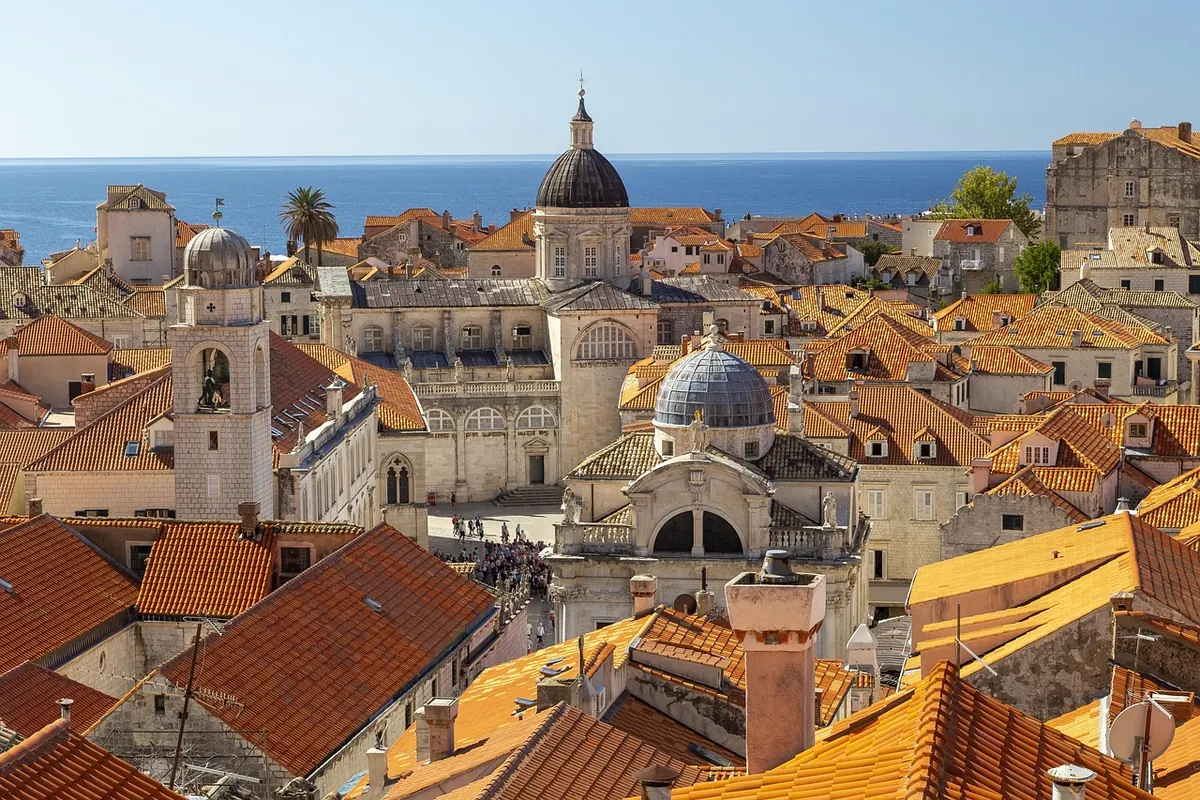
Photo: NeilMorrell / Pixabay